Primary Venues and Demand Drivers in the Convention Center District
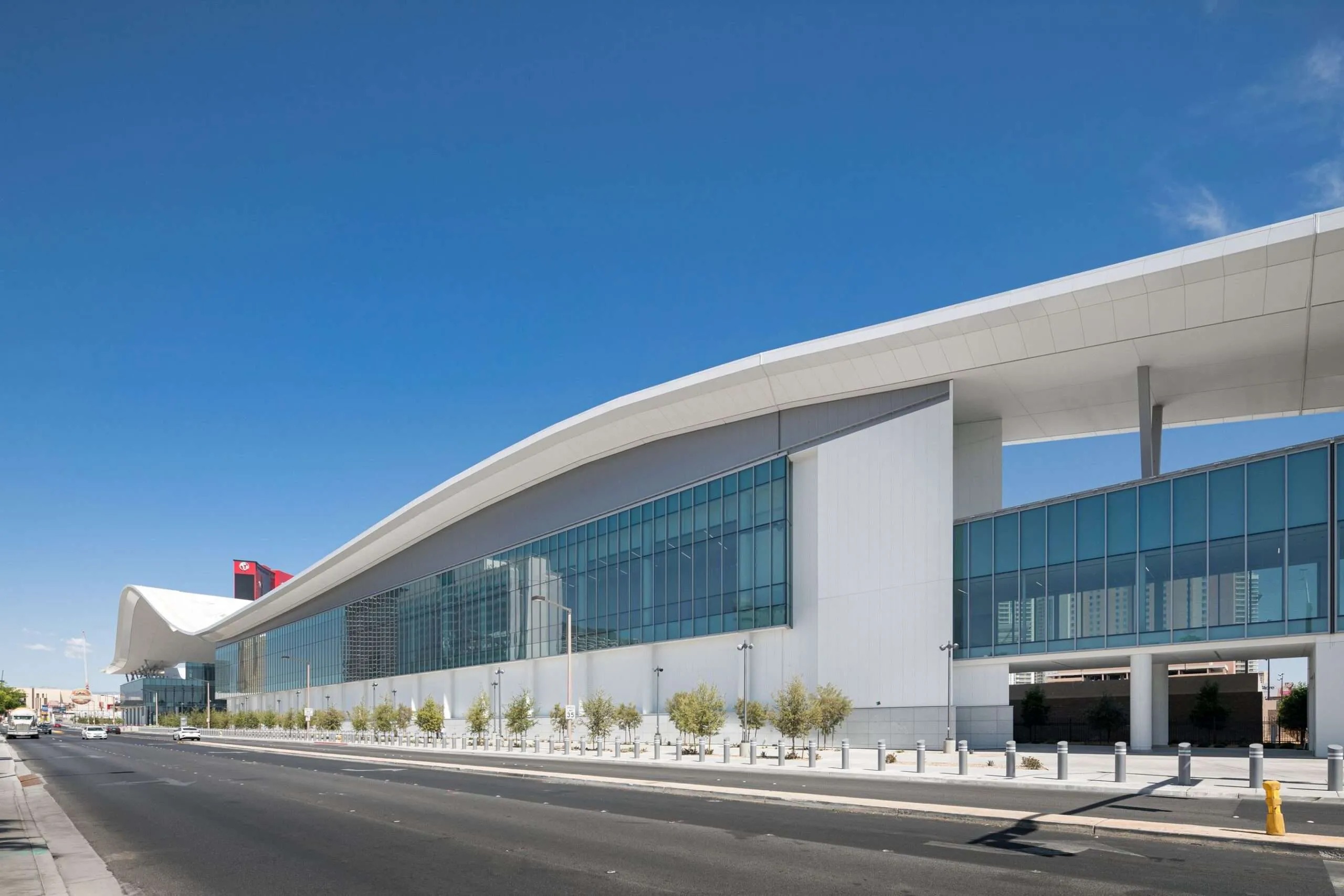
Las Vegas Convention Center as the district cornerstone for flagship industry events
The Venetian Expo and its role in high-profile trade fairs
Mandalay Bay Convention Center Resort and Casino for integrated resort exhibitions
Caesars Forum Conference Center and specialized conference programming
Fontainebleau Las Vegas contributing contemporary exhibit capacity
Westgate Las Vegas Resort & Casino supporting targeted activations
Virgin Hotels Las Vegas alongside Alexis Park for boutique-scale events
Understanding the District Layout and Its Effect on Exhibition Planning
The Convention Center District forms a concentrated corridor where multiple large-scale venues sit in relative proximity, enabling planners to coordinate displays that serve single events or multi-venue campaigns within the same week. This density requires precise mapping of move-in schedules, shared infrastructure usage, and attendee flow between facilities to prevent bottlenecks that commonly arise during overlapping show dates. Effective coordination therefore begins with calendar analysis that accounts for the primary venues and their individual event cadences.
Unlike more spread-out areas such as Summerlin NV or the Henderson Lake Las Vegas Corridor, the district's compact footprint supports rapid transitions between exhibit halls and adjacent support properties. This creates opportunities for rental displays that emphasize modularity, allowing components to be reconfigured efficiently as exhibitors move between the Las Vegas Convention Center and nearby properties like the Venetian Expo or Mandalay Bay Convention Center. Planners benefit from treating the district as an interconnected system rather than isolated sites.
District-level differentiation also appears in the balance between permanent infrastructure and temporary activations. Venues such as Caesars Forum and Fontainebleau Las Vegas introduce distinct architectural elements that influence sight lines, ceiling heights, and power access, all of which factor into rental display dimensions and engineering decisions. Resources focused on this district therefore stress pre-event site audits that respect these venue-specific variables while maintaining consistency across the broader convention corridor.
Calendar synchronization across primary demand drivers
Modular display approaches for multi-venue use
Venue-specific sight line and infrastructure mapping
Proximity advantages versus Summerlin or Henderson
Core Venues Driving Trade Show Activity in the District
The Las Vegas Convention Center remains the district's dominant facility, regularly hosting events that require expansive rental displays capable of accommodating heavy attendee volumes. Its scale influences surrounding planning, as exhibitors often extend presence into the Venetian Expo or Caesars Forum for breakout sessions and overflow programming. Coordination therefore involves selecting rental solutions that maintain visual and functional continuity across these interconnected sites.
The Venetian Expo and Mandalay Bay Convention Center add complementary capacity with their resort-integrated environments, allowing planners to incorporate hospitality elements into display designs. These venues frequently host concurrent shows with the main convention center, necessitating rental inventory that supports rapid turnaround and consistent branding. Westgate Las Vegas Resort & Casino and Fontainebleau Las Vegas further expand options for mid-sized activations that complement larger exhibitions without competing for the same floor space.
Smaller but strategically important properties including Virgin Hotels Las Vegas, Alexis Park All Suite Resort, Green Valley Ranch Resort & Spa, and Hilton Lake Las Vegas Resort & Spa serve as satellite venues for specialized programming or hospitality suites. Their inclusion in district planning allows for layered exhibition strategies where main hall displays are supported by targeted satellite experiences. This tiered approach distinguishes the Convention Center District from single-venue markets by offering planners a complete ecosystem of rental coordination possibilities.
District Differentiation from Nearby Las Vegas Areas
While the Las Vegas Strip emphasizes visitor traffic and experiential marketing, the Convention Center District maintains a sharper focus on B2B outcomes and industry-specific exhibitions. This distinction affects rental display priorities, with district planners favoring information-dense configurations, lead-generation features, and professional aesthetics over the high-impact spectacle more common on the Strip. The district's secondary priority status within the broader market allows it to serve as a stable planning hub less subject to tourism fluctuations.
Paradise NV and Winchester NV overlap with district boundaries, providing immediate access to hotel inventory and ancillary services that support extended event stays. Spring Valley NV and Enterprise NV extend this support network westward, enabling logistics planning that integrates residential and commercial zones without venturing into fully suburban territories like Summerlin South or Anthem. This graduated set of surrounding locations creates a flexible radius for display coordination that remains anchored in the convention corridor.
In contrast to Downtown Las Vegas or the Arts District, which prioritize creative and cultural programming, the Convention Center District sustains year-round business events that demand durable, technology-ready rental solutions. Planners use this distinction to avoid misallocation of resources, ensuring that display selections match the professional tone and technical requirements documented across the listed primary demand drivers. The resulting operational detail separates successful district campaigns from generic approaches applied uniformly across all Las Vegas submarkets.
B2B focus versus Strip entertainment emphasis
Integration with Paradise, Winchester, and Spring Valley
Contrast with Summerlin meeting district characteristics
Professional tone distinct from Arts District activations
Operational Planning Details for Peak Event Periods
The district experiences sustained demand across all seasons due to the diversified venue mix, requiring rental coordination that anticipates compressed schedules and overlapping load-in windows. Successful planning incorporates buffer time for shared dock access at facilities like the Las Vegas Convention Center and Mandalay Bay Convention Center, preventing cascading delays that affect subsequent Venetian Expo setups. This operational nuance elevates the importance of sequence modeling well before contract finalization.
Display durability becomes a central consideration given the high foot traffic and frequent reconfigurations demanded by back-to-back events at Caesars Forum and Fontainebleau Las Vegas. Rental selections must balance visual impact with structural resilience, particularly for island configurations that remain in place through multiple show rotations. Coordination resources emphasize material specifications that withstand the district's intensive usage patterns while facilitating overnight adjustments between events.
Logistical mapping extends beyond individual venues to encompass the entire district's circulation arteries, ensuring that transportation timelines align with venue-specific access rules. Properties such as Westgate Las Vegas and Virgin Hotels often serve as staging points for smaller elements, allowing main hall installations to proceed without congestion. This layered operational detail reflects the district's role as a high-throughput environment where planning precision directly correlates with exhibition success.
Developing Scalable Rental Strategies Across Venues
Rental display strategies for the Convention Center District succeed when designed around scalability, enabling the same core components to adapt from the expansive floors of the Las Vegas Convention Center to the more intimate settings of Alexis Park or Hilton Lake Las Vegas. This approach reduces redundancy while preserving brand coherence across the recommended location network. Planners reference the primary demand drivers to forecast scale requirements and select modular systems that reconfigure without full replacement.
Technology integration represents another critical layer, as district venues collectively support advanced AV and digital engagement tools. Rental solutions must therefore include compatible mounting systems and cable management pathways that function uniformly whether deployed at the Venetian Expo or Green Valley Ranch. Such standardization streamlines coordination and minimizes on-site troubleshooting during tight changeover periods common to the district.
Budget alignment follows from detailed venue mapping, allowing organizers to allocate resources according to the varying cost structures and audience sizes associated with each primary facility. By treating the district as a portfolio of interconnected opportunities rather than isolated bookings, planners achieve efficiencies that enhance return on display investment. This portfolio perspective distinguishes Convention Center District coordination from more fragmented planning applied to outlying areas like Jean NV, Primm NV, or North Las Vegas.
Modular systems for scale adaptability
Consistent technology integration standards
Portfolio-based budget distribution
Brand continuity across venue tiers
Long-Term Coordination for Recurring District Events
Many exhibitions return to the Convention Center District on annual or biannual cycles, creating opportunities to refine rental display elements based on accumulated operational data from prior iterations at the Las Vegas Convention Center, Mandalay Bay, or Caesars Forum. Long-term planning resources track these patterns to recommend incremental improvements in layout, materials, and engagement features that compound effectiveness over multiple events without requiring complete redesigns.
The presence of supporting venues such as Fontainebleau Las Vegas and Westgate Las Vegas allows recurring exhibitors to test variations in satellite activations while maintaining core displays in the main halls. This testing environment accelerates innovation cycles and provides measurable data points for future coordination. The district's stable infrastructure compared with more variable suburban markets like Inspirada or Seven Hills supports such iterative refinement.
Successful long-term strategies also incorporate broader market context, including relationships between the Convention Center District and adjacent zones such as the Las Vegas Strip or Summerlin Meeting District. By developing master plans that span these recommended locations, exhibitors create resilient programs that adapt to evolving industry requirements while remaining grounded in the district's proven event infrastructure.
Integrated Planning Across the Wider Las Vegas Ecosystem
While the Convention Center District functions as a standalone planning unit, its greatest impact often emerges when integrated with nearby recommended locations including Enterprise NV, Southwest Las Vegas, and East of Strip zones. This ecosystem approach enables exhibitors to deploy rental displays in the district's main halls while extending brand presence through targeted activations in complementary areas, maximizing exposure without diluting focus. Coordination therefore requires a macro-level view that respects each submarket's distinct character.
Properties in Henderson and Lake Las Vegas, such as Green Valley Ranch and Hilton Lake Las Vegas, frequently serve post-event or pre-event functions that connect with district programming. Understanding these linkages allows for smooth narrative flow across rental displays, ensuring that messaging remains consistent whether visitors encounter it at the Venetian Expo or during a related session at a satellite resort. The resulting continuity strengthens overall campaign performance.
Ultimately, the district's value as a planning hub stems from its ability to anchor diverse event types while maintaining operational predictability. By drawing exclusively on documented demand drivers and established location relationships, coordination resources help exhibitors navigate this complexity with confidence, producing exhibitions that align with both immediate tactical needs and longer-term strategic objectives across the Las Vegas market.
Ecosystem integration with Strip and Summerlin
Satellite activation opportunities in Henderson
Narrative continuity across rental deployments
Predictability as a core district advantage